
If you enjoy a fast-paced card game, you have probably noticed Short Deck Hold’em popping up in more Brisbane lounges and online rooms lately. It strips out deuces through fives, shrinks the deck, and changes the maths enough that your usual poker short deck strategy needs a proper rethink. The action is brisk, the pots get juicy, and the hands that used to dominate suddenly lose their shine. This guide walks through how to adjust your play so you are not just guessing when the cards fly.
Reading the New Hand Rankings

The biggest shift in Short Deck is that a flush now beats a full house, and straights climb higher in value because they land more often. That single change rewrites your starting-hand charts and forces you to respect connected cards far more than you would in a standard nine-card game. Suited connectors and broadway cards carry real weight here, while big pairs alone are not the automatic monsters they look like from a regular table. You still want to play tight early, but the range of playable hands widens once you understand how often strong draws materialise. Position matters just as much as ever, with late position giving you the information to call lighter and put pressure on weaker holdings. If you are logging in from Canberra on a quiet evening, you will notice the rhythm of these sessions feels closer to a quick cash sprint than a slow tournament grind. Many mobile-friendly rooms now serve these tables with the same smooth software and live-chat support you expect from a solid poker short deck strategy setup, so you can jump in between meetings without fuss. Keep an eye on the payout structure and any recurring promos tied to short-deck tables, because the best rooms build loyalty points and cashback into the regular action rather than just front-loading a welcome bonus.
Adjusting Aggression and Bluff Frequency
Short Deck hands collide more often, which means your bluffing toolbox needs trimming rather than doubling. With six ranks fewer, opponents make straights and two-pair combinations far more frequently, so betting big on a weak draw gets punished quickly. The smart play is to value-bet thinner and reserve your bluffs for spots where the board actually hurts your opponent’s likely range. Semi-bluffs with open-ended straight draws still work, but you should size your bets to get called by weaker pairs rather than trying to fold out everyone. The illusion of control makes people bet more when they feel personally involved, like throwing dice themselves, and that psychology shows up in short-deck play when players overcommit to marginal hands they could have folded in a standard game. A measured approach here pays off: tighten your continuing range, respect your opponent’s range on coordinated boards, and let your strong hands do the heavy lifting. When you are tracking results on a Tuesday arvo with a cold drink in hand, you will see that disciplined aggression beats wild swinging more often than not.https://ozwincodes.net
Choosing the Right Tables and Promotions
Not every poker short deck strategy site treats this variant the same way, so picking a room comes down to how they structure their tables, stakes, and ongoing value. Look for platforms that run short-deck cash games and sit-and-gos with clear stake steps, stable software, and a range of providers so the action never stalls during busy periods. Registration should be quick, payments should support common Australian currencies, and withdrawals should follow a transparent timeline without hidden delays. The real test is what happens after the welcome offer fades: recurring freerolls, tournament series, cashback on lost hands, and a loyalty ladder that actually rewards repeat play matter far more than a one-off deposit match. A non-runner no bet refunds stakes if a selection is withdrawn, and the same principle applies to rooms that let you drop into a tournament late without losing your entry when luckyelfnodeposit.com a seat opens up. Housie callers use rhythmic patter to announce numbers, and good poker rooms borrow that same energy with live-hosted events and steady commentary that keeps the session lively. If you want a room that keeps you coming back, check whether they stack loyalty points toward tournament entries, offer periodic cashback on the busiest tables, and keep mobile play smooth enough to handle a commute or a break at work.
Mobile Play and Session Management
Playing on your phone changes the pace of short-deck poker, and a solid poker short deck strategy needs to account for smaller screens, quicker decisions, and the temptation to multi-table when the software allows it. The best mobile setups keep the interface clean, show your stack and opponent stats without clutter, and let you act without hunting through menus. That matters because short-deck hands move fast, and a laggy tap or a cramped layout can cost you a pot you would have won at a desktop table. Manage your session the same way you would in person: set a time limit, track your buy-ins, and step away when the cards go cold instead of chasing losses. Brisbane heat in summer can make a long indoor session feel sluggish, so a mobile setup that lets you play in short bursts between errands is a genuine advantage. Treat your phone like a proper table, not a distraction, and you will notice your decision quality stays sharper for longer.
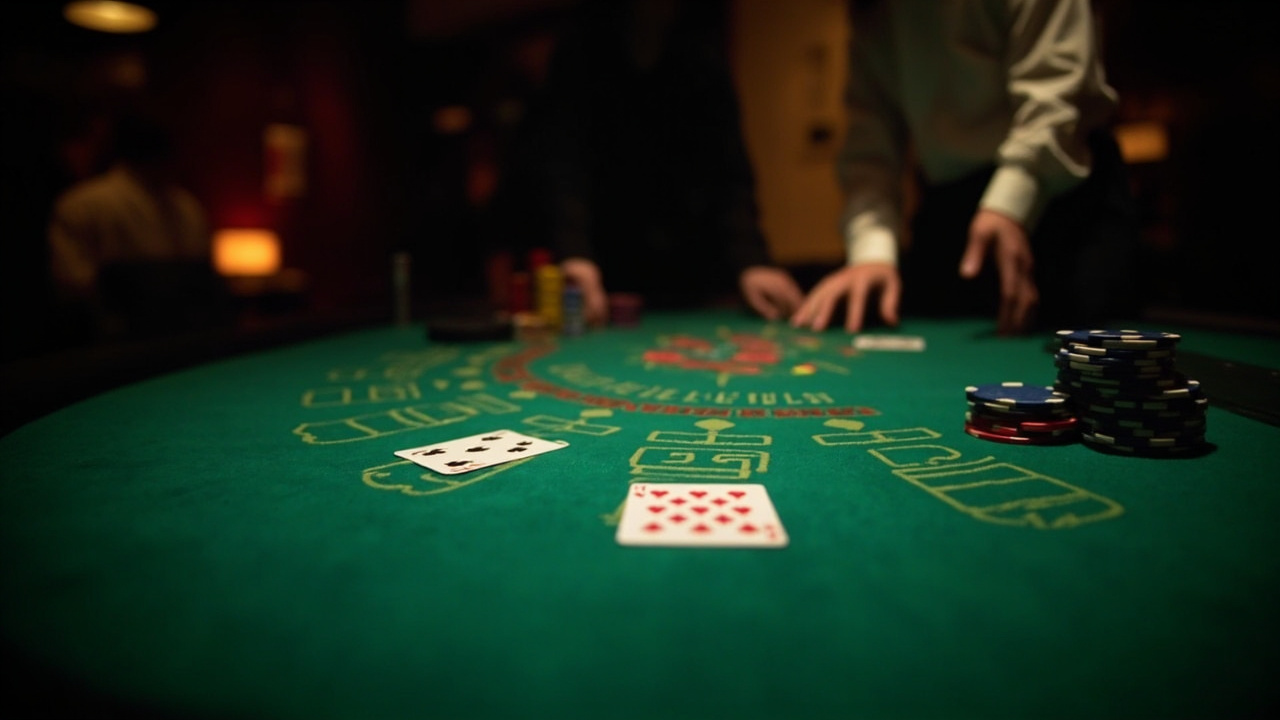
- Short Deck Hold’em – a poker variant played with a 36-card deck after removing deuces through fives, shifting hand rankings and odds.
- Flush over full house – in Short Deck, a flush beats a full house because flushes are harder to make with fewer cards.
- Position – your seat relative to the dealer button, which controls how much information you have before acting.
- Semi-bluff – a bet or raise with a hand that is not currently best but can improve on later streets.
Have you tried Short Deck on a mobile table or in a local room, and did the faster pace change how you play your starting hands? Drop a comment below or send this along to a mate who is keen to pick up a new variant.